The Builder — Architecture Review
Crypto 101 with Node
Architecture & Integration Review
"Understand how the machine works."
🔧 How Crypto Actually Works Under the Hood
You don't need to be a developer to understand how crypto works. But knowing the basics — what a wallet is, how a DEX processes trades, and what smart contracts do — makes you a much safer investor.
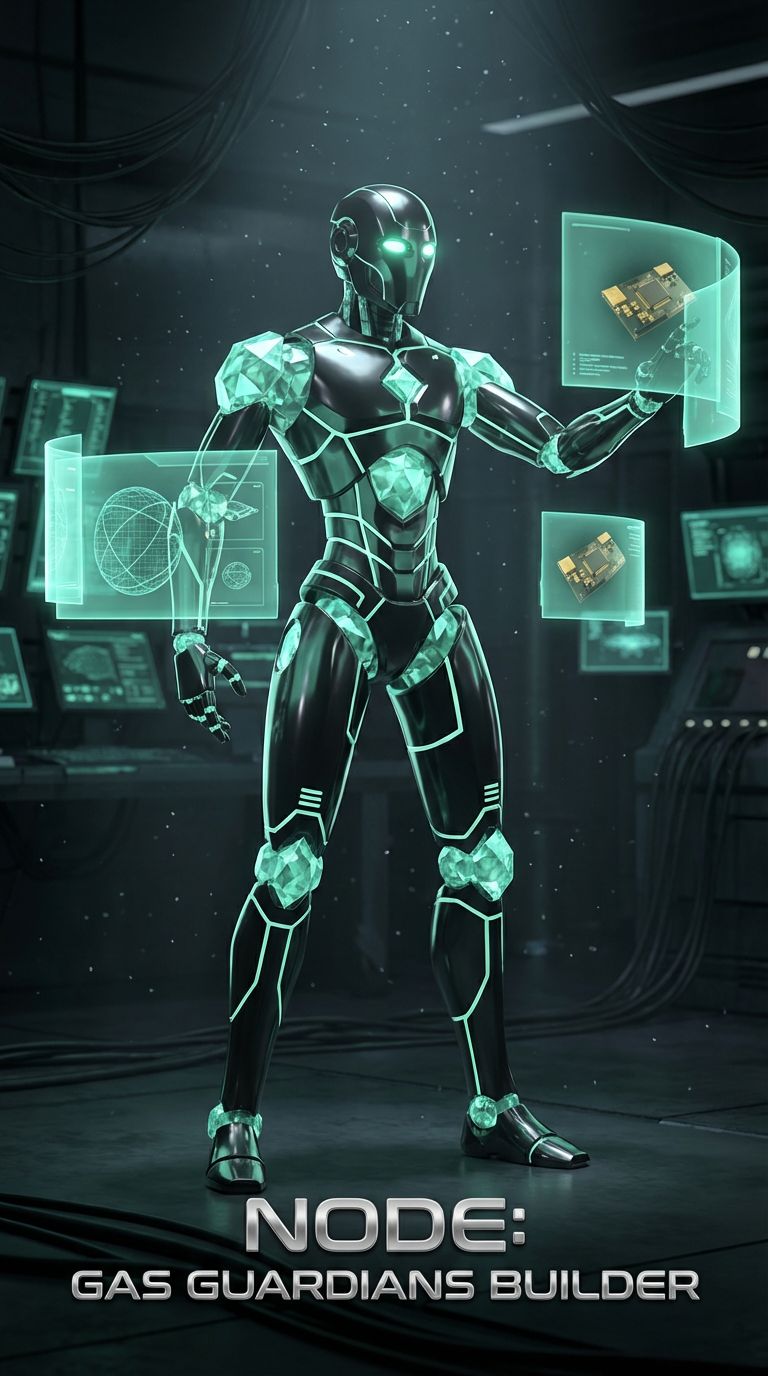
Node is the Guardian who builds and understands the architecture. His job is to make sure the machine works properly before anyone uses it.
🏗️ The Building Blocks
1. What is a wallet?
A wallet doesn't "hold" your crypto — it holds your private keys. Your tokens live on the blockchain. The wallet is just the key to access them. Lose the key, lose the crypto.
2. What is a DEX?
A Decentralized Exchange (DEX) lets you swap tokens directly from your wallet without a middleman. Uniswap, PancakeSwap, and SushiSwap are popular examples. You trade against liquidity pools, not order books.
3. What are smart contracts?
Smart contracts are programs that run on the blockchain. They execute automatically when conditions are met. "If you send X tokens, you receive Y tokens." No human needed — but also no undo button.
4. What is gas?
Gas is the fee you pay for blockchain transactions. It goes to validators who process your transaction. Higher gas = faster processing. Gas prices fluctuate based on network demand.
🧰 Node's Architecture Checklist
- ▸ Know the difference between hot wallets (online) and cold wallets (offline)
- ▸ Understand that smart contracts are immutable — bugs can't be "patched"
- ▸ If you can't explain how a project works simply, don't invest in it
- ▸ Check if the project uses upgradeable proxies (the contract CAN change)
- ▸ Verify the contract is verified on the block explorer
💡 Key Takeaway
You don't need to code to understand crypto. But understanding the basics of how wallets, DEXs, and contracts work is the difference between investing and gambling.